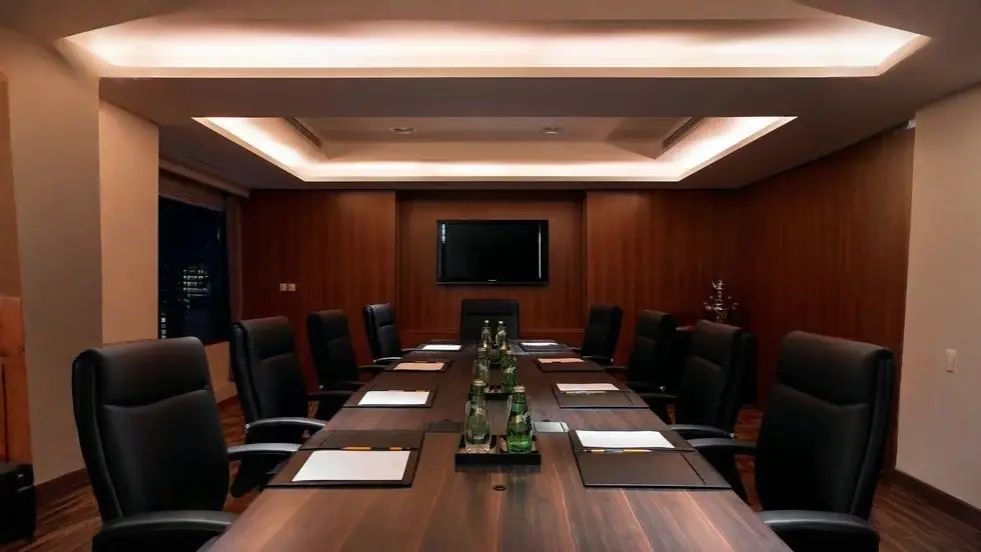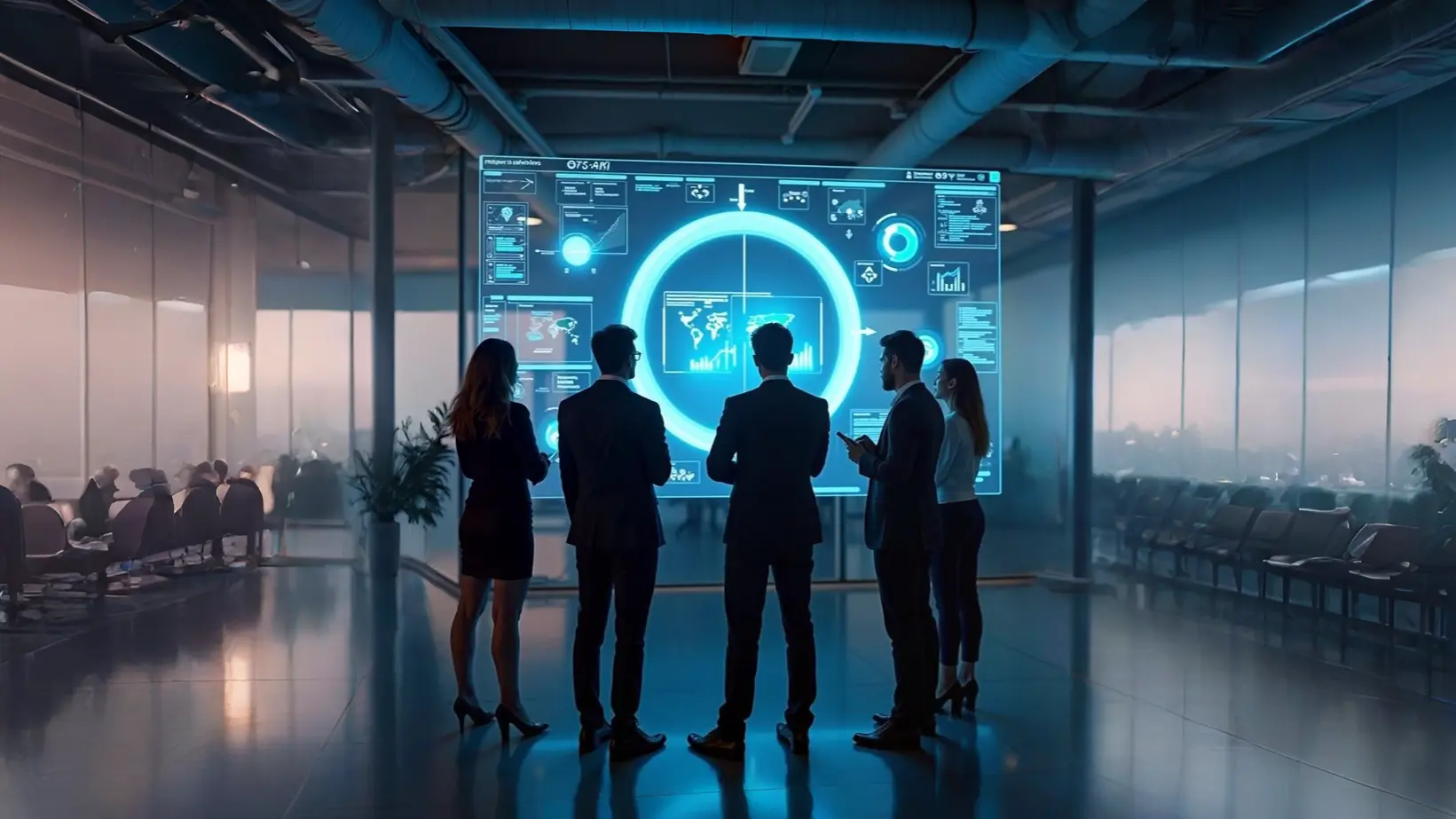
The Future of Back Casting Room Methodology is a planning approach that starts with a clear future goal and works backward to map out the exact steps needed today to reach it. In simple terms, instead of predicting what might happen based on past data, teams decide what they want to happen and then build a step by step roadmap to get there. This method is used by businesses, city planners, sustainability teams, and healthcare organizations to make long term decisions with more clarity and less guesswork. More companies across the U.S. are adopting this approach because it puts the end goal first, then works out every action needed along the way.
Understanding the Future of Back Casting Room Methodology
At its core, back casting methodology is pretty simple to grasp. You picture where you want to be in five or ten years, then you work your way backward to today. It sounds easy on paper, but it takes real discipline to follow through properly. Business leaders, city planners, and sustainability teams all lean on the Future of Back Casting Room Methodology because it forces real clarity instead of vague hope about what tomorrow might bring.
Most teams are used to planning forward. They look at where they are right now and try to guess what comes next based on old numbers. The Future of Back Casting Room Methodology flips that entire process on its head. Instead of asking what is likely to happen, it asks what needs to happen, and then works out how to make it real.
Why This Matters More Than Ever
Most planning still leans heavily on old data and past trends. That approach works fine for short term decisions, but it falls apart when the world is changing this fast. New technology, shifting markets, and unpredictable events make old data less reliable every year. This is exactly where the Future of Back Casting Room Methodology becomes especially valuable for long-term planning. It flips the usual process. Instead of predicting what might happen, teams decide what they want to happen and build the roadmap from there.
This shift in thinking also changes how teams handle risk. Rather than reacting to problems as they show up, organizations using this method plan around them in advance, because every milestone is already tied to a bigger future outcome.
| Traditional Forecasting | Future of Back Casting Room Methodology |
|---|---|
| Starts with current trends | Starts with a desired future vision |
| Predicts future outcomes | Creates a roadmap to achieve future goals |
| Best for short-term planning | Best for long-term transformation |
| Reacts to change | Plans for desired change |
| Data-driven | Goal-driven |
Core Elements Behind the Framework
A solid back casting framework usually comes down to a few essentials. These pieces keep the process simple and prevent teams from getting lost in the details.
- A clear picture of the future goal
- Milestones that connect that goal back to today
- Specific actions tied to each stage
- Checkpoints to keep everyone on track
- Ongoing feedback loops to adjust the plan as needed
These pieces are what make the Future of Back Casting Room Methodology practical instead of theoretical. Without them, it just becomes another buzzword on a slide. When each milestone is clearly tied to an action, teams know exactly what to focus on each quarter instead of guessing what matters most.
Tools Making This Easier
Teams no longer have to do this planning on whiteboards and spreadsheets alone. Newer back casting tools include dashboards, scenario builders, and shared planning platforms. These tools help teams see their goals visually and adjust the backward steps as things change, which is a big part of why the Future of Back Casting Room Methodology is gaining traction so quickly.
Many of these platforms also allow real time collaboration, so different departments can update their piece of the plan without waiting on a single planning meeting. This keeps the whole roadmap current, even when business conditions shift unexpectedly.
How Businesses Are Using It
Inside companies, back casting in business strategy helps departments stop working in silos. When everyone is planning backward from the same future goal, priorities line up naturally. Marketing, operations, and finance all move toward the same target instead of chasing separate metrics that do not connect to each other. This is one of the clearest, most practical uses of the Future of Back Casting Room Methodology right now.
Executives also use this method to communicate strategy more clearly to their teams. When a five year goal is broken into backward milestones, employees can see exactly how their daily work connects to the bigger picture, which improves both motivation and accountability.
Key Benefits of the Future of Back Casting Room Methodology
- Creates a clear long-term vision
- Aligns teams around shared objectives
- Improves strategic decision-making
- Identifies risks earlier
- Encourages innovation
- Supports sustainable growth
Where Else It’s Being Applied
The back casting applications go beyond the boardroom. City governments use it for long term infrastructure projects, such as public transit expansion or water system upgrades that take a decade or more to complete. Nonprofits rely on it to shape community programs, setting a future outcome like reduced homelessness or improved literacy rates, then working backward to plan funding and outreach. Even healthcare organizations are applying the Future of Back Casting Room Methodology to plan future patient care models years in advance, including staffing needs and facility upgrades tied to expected population growth.
Universities and research institutions have also started applying the Future of Back Casting Room Methodology to long term projects like campus expansion and academic program development. Instead of reacting to enrollment numbers year by year, some schools now set a target for where they want their programs to stand a decade from now and work backward to figure out hiring, facility needs, and curriculum changes required to get there.
Planning for the Long Haul
Future strategy planning built on this method gives leaders more confidence in their decisions. Rather than reacting to whatever happens next, they are actively shaping what happens. This future-first mindset is what makes the Future of Back Casting Room Methodology so effective for long-term strategic planning.
This approach also helps leaders avoid short term thinking that can hurt long term growth. When every decision is measured against a future goal rather than a quarterly target, organizations tend to make choices that hold up better over time.
Making It Work Inside an Organization
Organizational back casting only works when leadership actually commits to it from the start. Teams that skip the goal setting step often struggle later, because the whole Future of Back Casting Room Methodology depends on having a clear endpoint before anything else happens. Leadership buy-in also matters because backward planning often requires reallocating budget and staff away from short term projects toward the milestones that support the bigger goal.
Getting a team fully on board with the Future of Back Casting Room Methodology takes more than a single meeting or a slide deck. Employees who are used to short term targets sometimes struggle to see the value of a goal that is five or ten years away, especially when quarterly results still drive bonuses and performance reviews. Companies that invest time in this kind of training tend to see smoother adoption, since employees stop viewing the Future of Back Casting Room Methodology as extra paperwork and start treating it as part of how decisions actually get made.
Connecting Daily Work to Bigger Goals
Strategic back casting ties everyday operations, budgets, and staffing decisions to the bigger picture. It keeps teams from chasing short term wins that don’t actually move the needle long term. When a company sets a future goal five years out, every budget cycle and hiring decision in between can be measured against whether it moves the organization closer to that outcome.
The Process Step by Step
The back casting planning process generally follows a simple pattern. Define the future goal first. Map the milestones backward from that goal. Assign clear actions to each phase. Review progress regularly and adjust the plan as new information comes in. Although the process is straightforward, it requires consistent leadership commitment and regular reviews to ensure every milestone remains aligned with the long-term vision.
Regular check ins, whether monthly or quarterly, keep the process honest and give teams a chance to catch problems early instead of discovering months later that a milestone quietly fell off track. This kind of accountability is often what separates organizations that stick with the Future of Back Casting Room Methodology long term from those that abandon it after the first tough quarter.
What’s Coming Next
Some of the biggest back casting trends right now involve sustainability and climate goals. Organizations are using this approach to plan cleaner operations years ahead of regulatory deadlines, setting emissions targets for 2030 or 2040 and then working backward to figure out what changes need to happen this year. On the technology side, back casting innovation is starting to include AI powered scenario testing, which helps teams explore multiple future paths before locking one in. This means organizations can test several future scenarios digitally before committing real budget and staff to a single plan.
The growing interest in artificial intelligence, digital transformation, and sustainability is increasing demand for future-oriented planning methods. As organizations adopt strategic foresight practices promoted by the OECD, United Nations, and World Economic Forum, methodologies like backcasting are expected to play an even greater role in long-term decision-making.
Long term planning methodology built around this approach gives organizations something a lot of planning styles are missing right now, which is direction. And that’s really where the Future of Back Casting Room Methodology is headed. More industries are realizing that starting with the destination, not the data, is what actually gets results. As more planning software adds back casting features and more business schools teach this method alongside traditional forecasting, it is likely to become a standard part of how organizations plan their future, not just an alternative approach used by a few forward thinking teams.
Summary
The Future of Back Casting Room Methodology is transforming how organizations plan for long-term success by starting with a clear future vision and working backward to achieve it. As technologies such as artificial intelligence, predictive analytics, and collaborative planning tools continue to evolve, this methodology is becoming more practical and widely adopted across business, sustainability, healthcare, education, and public planning. By focusing on desired outcomes instead of predictions, organizations can make smarter strategic decisions, adapt to change more effectively, and build resilient plans for the future.
FAQ
What is the future of back casting room methodology?
The future of back casting room methodology lies in combining long-term strategic planning with technologies such as artificial intelligence, predictive analytics, and collaborative planning tools. As organizations face greater uncertainty, more industries are adopting this approach to build flexible and future-ready strategies.
How will AI improve back casting room methodology?
Artificial intelligence can strengthen back casting by analyzing large datasets, testing multiple future scenarios, and identifying the most effective pathways to reach long-term goals. This helps organizations make faster, more informed strategic decisions.
Tagged: Back Casting Methodology Back Casting Room Benefits Future Strategy Planning Long-Term Planning Strategic Planning