Tales Pedia

What Are Cankles? Causes, Signs, and Fixes

What Are Cankles   |   What Causes Cankles   |   Signs You Have Cankles   |   How to Get Rid of Cankles   |   Cankle Surgery and Other Fixes   |   When to See a Doctor   | Summary   |   FAQ

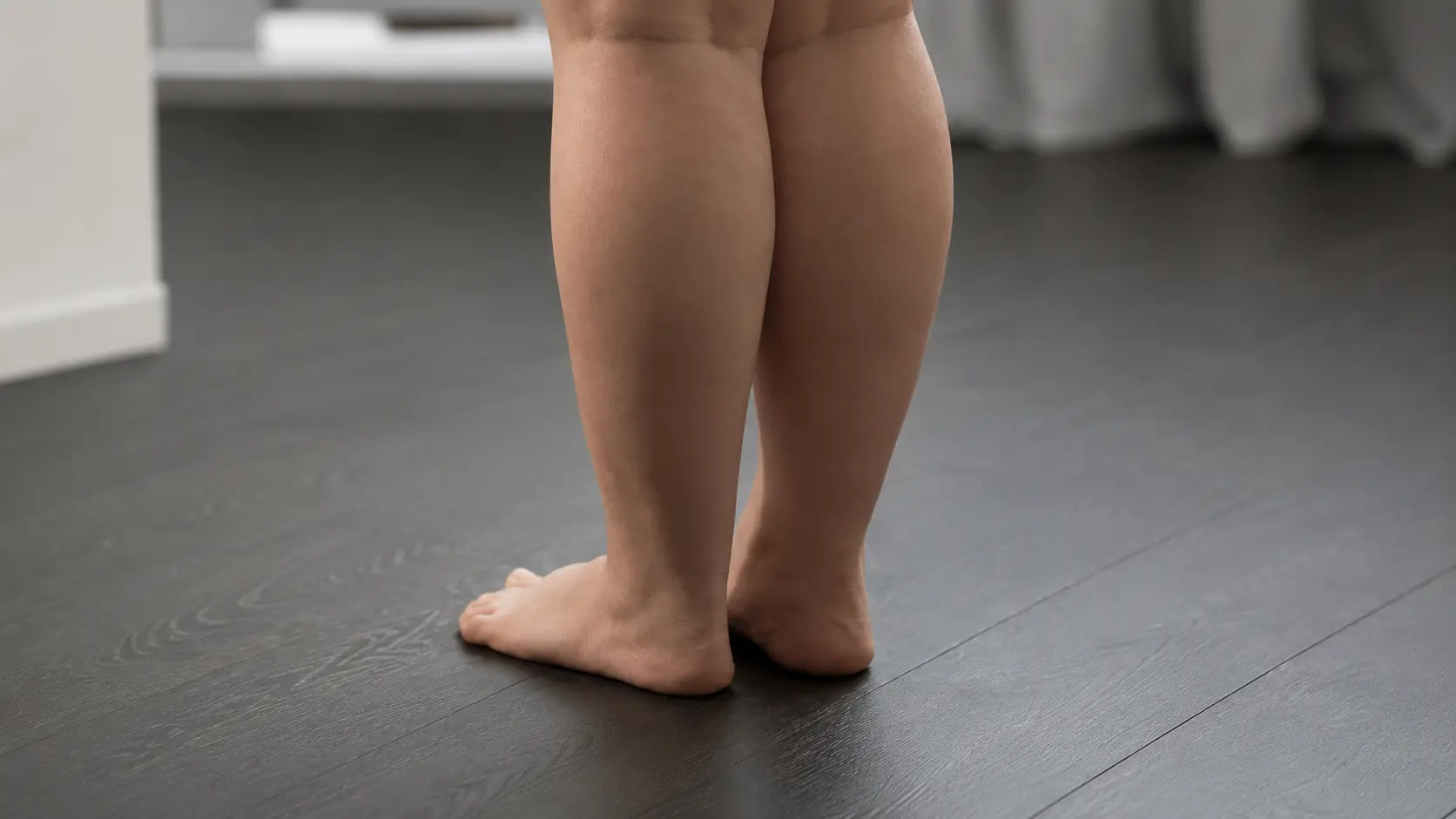
Cankles are a slang term for a lower leg where the calf muscle and the ankle blend into one shape instead of showing a clear line between them, usually caused by genetics, extra fat, or fluid retention. On a typical leg, the ankle narrows noticeably below the calf. With cankles, that narrowing barely shows, so the leg looks like a single column running from the knee down to the foot. This word has become one of the most searched body terms in the United States, and people search it for very different reasons. Some are simply curious about the term itself. Others want to understand why their own legs look this way, or whether their cankles point to a health issue worth watching. This guide answers those questions directly, covering what cankles are, why they happen, how to tell them apart from normal or swollen ankles, and what you can realistically do about them.

These are not  medical diagnoses. Doctors do not use this word in clinical settings. Instead, a doctor looks at the underlying reason for the leg shape, which could involve bone structure, muscle tone, fat distribution, or fluid buildup in the tissue. Understanding which of these applies to you changes everything about how you approach the topic, so this article breaks each cause down in detail.

What Are Cankles

Cankles happen when the calf and ankle appear to merge into a single shape rather than showing a visible taper. The word combines calf and ankle into one term, and people use it casually to describe this specific leg shape. It is worth repeating that cankles are a physical trait, not a flaw and not a disease. Millions of people have this leg shape, and for most of them, it comes down to genetics rather than anything they did wrong.

The shape of your lower leg depends on several structural factors working together. Bone width at the ankle joint plays a role. So does the size and placement of your calf muscle, along with the amount of soft tissue and fat sitting around the ankle. When these factors combine in a certain way, the visual line between calf and ankle disappears, and the result is what people call cankles.

The Meaning Behind the Word Cankles

Cankles is slang, and it started as an informal way to describe legs that lack a defined ankle line. It spread through casual conversation and later through social media, entertainment commentary, and online forums. Because the word sounds playful, people sometimes forget that it can carry a negative tone when used carelessly. Many people who search for this term simply want facts, not judgment about their body shape.

Understanding this history matters because it shapes how the rest of this article approaches the topic. It deserve a factual, respectful explanation rather than a mocking one. The goal here is to help you understand your own body better, not to reinforce unrealistic beauty standards.

Why Cankles Get So Much Search Attention

It show up often in conversations about fashion, fitness, pregnancy, and body image. Search interest for this term spikes for many reasons. Sometimes a public figure gets mentioned in the news, which drives curiosity searches. Other times, someone notices swelling in their own ankles and wants to know if it is normal. A large share of searches come from people who simply want to understand their own leg shape better.

Regardless of the reason someone lands on this page, the core questions tend to repeat across nearly every search. People want to know what causes cankles, whether it is a signal of a health problem, and what options exist if they want to change how their legs look. This pillar page answers each of those questions in detail, using clear language and practical guidance you can actually use.

What Causes Cankles

There is no single cause of this trait. The shape of your lower leg comes from a mix of genetics, muscle tone, fat distribution, and fluid balance in the body. Some causes are permanent and tied to how your skeleton and soft tissue developed before you were even born. Other causes are temporary and connect to daily habits, hormonal changes, or an underlying health condition that affects circulation.

Knowing your specific cause matters a great deal, because it determines what kind of response actually makes sense. A structural cause will not respond to diet or exercise, while a fluid related cause often improves with simple lifestyle changes.

Genetic Causes of Cankles

Dieting or exercise changes the width of a bone or the placement of a tendon, since these are structured genetics play the biggest role in determining ankle shape for most people. Bone structure, tendon size, and the exact point where your calf muscle attaches to your lower leg are all inherited traits, much like height, foot size, or the shape of your hands. If your parents or grandparents have cankles, there is a strong chance you inherited a similar lower leg structure.

Genetic cankle are not a sign of poor health, and they are not something you did wrong. They simply reflect how your skeleton and soft tissue formed during development. No amount of all features rather than fat deposits that can shrink.

People with naturally wider ankle bones, thicker tendons, or a lower calf muscle attachment often notice this leg shape even at a healthy body weight and with an active lifestyle. This distinction matters, because it separates genetic cankles from swollen ankles that appear due to weight gain, pregnancy, or fluid retention. If this appearance  has looked the same since childhood or your teenage years and stays consistent regardless of your activity level, genetics are very likely the main factor.

Medical Conditions That Cause Cankles

Several health conditions can cause the calf and ankle area to swell, which creates the appearance of cankles even in people who do not have this leg shape naturally. Recognizing these conditions matters, because some of them need medical attention rather than home remedies.

Common medical causes include the following.

  • Obesity: Places extra strain on the lower legs and can lead to fluid buildup around the ankle joints.
  • Diabetes: Affects circulation over time and can cause fluid to pool in the feet and ankles.
  • Venous insufficiency: A condition in which the valves inside the leg veins struggle to send blood back toward the heart, causing blood to pool in the lower legs.
  • Congestive heart failure: Reduces the heart’s pumping ability and allows fluid to build up in the legs, ankles, and sometimes the lungs.
  • Lymphedema: A condition in which the lymphatic system cannot drain fluid properly, leading to swelling in the surrounding tissues.
  • Hypothyroidism: An underactive thyroid gland that slows metabolism and can cause fluid retention throughout the body.
  • Kidney disease: Disrupts the body’s ability to balance sodium and fluid levels properly.
  • Liver disease: Including cirrhosis, which can cause fluid to accumulate in the legs and abdomen.
  • Lipedema: A chronic condition that causes abnormal fat buildup in the lower body, often starting at the hips and extending down to the ankles.

These conditions cause swelling rather than a naturally larger ankle bone. This type of swelling can come and go throughout the day, worsen with prolonged standing, or appear suddenly after a specific trigger. This pattern differs from genetic cankles, which tend to look the same regardless of the time of day or your recent activity.

Lifestyle and Environmental Causes of Cankles

Daily habits and short term situations can also lead to temporary ankle swelling. These causes usually resolve on their own once the triggering factor goes away, which makes them easier to manage than genetic or medical causes.

Common lifestyle and environmental causes include the following.

  • Standing or sitting in one position for long stretches of time, which slows blood flow in the lower legs and allows fluid to settle around the ankle.
  • Eating a diet high in sodium, since excess salt encourages the body to retain water throughout the tissue.
  • Warm weather, which naturally causes blood vessels to widen and fluid to shift toward the arms and legs.
  • Long flights or car rides, which limit movement and reduce circulation in the lower body.
  • Certain medications, including birth control pills, corticosteroids, and some blood pressure drugs, which can cause fluid retention as a side effect.
  • Insect bites or minor injuries, which can trigger localized swelling around the ankle area.

If this leg shape appear only in specific situations, such as after a long flight, a salty meal, or a hot summer day, the cause is most likely temporary rather than structural. This type of swelling typically improves with rest, gentle movement, and reduced sodium intake within a day or two.

Signs You Have Cankles

Recognizing cankles starts with a simple visual check, and most people can tell the difference between a naturally wide ankle and a swollen one just by paying attention to a few clear details. Learning these signs helps you understand whether this condition is structural, which means they are permanent, or related to fluid retention, which often means they can improve.

Cankles vs Normal Ankles

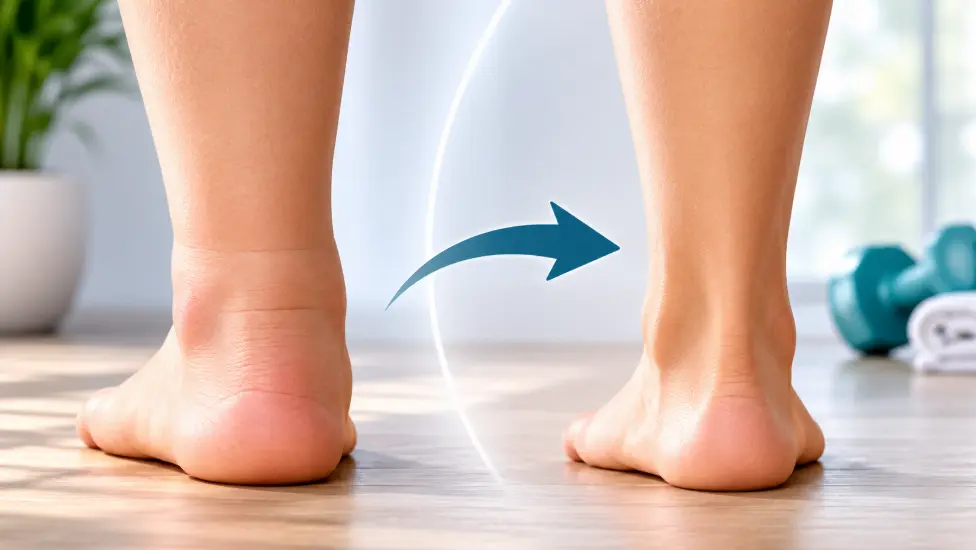
A typical ankle shows a visible narrowing between the base of the calf muscle and the top of the foot. With this condition, that narrowing is minimal or completely absent, so the leg appears to run in a fairly straight line from calf to foot without a defined bend.

You can compare your own legs using a few simple checks at home.

  • Look at the side profile of your lower leg while standing barefoot. A normal ankle curves inward noticeably before reaching the foot, while cankles show little to no curve.
  • Press gently on the skin just above your ankle bone for a few seconds. If it leaves an indentation that takes time to bounce back, this points toward fluid retention rather than a purely structural trait.
  • Check whether the shape stays consistent throughout the day. Structural cankle remain the same from morning to night, while swelling related cankles often look worse by evening, especially after standing for long periods.
  • Compare both legs side by side. If one ankle looks noticeably more swollen than the other, this can signal a medical issue rather than a natural body trait.

These checks are helpful starting points, but they do not replace a medical exam. If you remain unsure whether your cankle is structural or related to an underlying condition, a doctor can examine your legs and order tests if needed.

When Cankles Signal Something More Serious

Most cankles are harmless and simply reflect your natural body shape. However, sudden or worsening swelling around the ankle can point to an underlying health issue that needs proper attention. Watch for the following warning signs.

  • Rapid swelling that appears within hours rather than developing gradually over weeks or months.
  • Swelling that shows up on only one leg, which can suggest a blood clot in the deep veins.
  • Pain, redness, or a warm feeling around the swollen area of the ankle.
  • Swelling combined with shortness of breath, chest pain, or a rapid heartbeat.
  • Swelling that spreads beyond the ankle into the calf, knee, or thigh.
  • Skin that looks shiny, tight, or discolored around the ankle joint.

If you notice any of these signs, contact a doctor rather than waiting to see if the swelling goes away on its own. Fast action matters most when swelling appears suddenly or comes paired with other symptoms, since some of these signs point toward conditions that worsen quickly without treatment.

How to Get Rid of Cankles

Whether you can reduce the appearance of this leg trait depends heavily on the underlying cause. Genetic cankles will not disappear through exercise or diet, since they come from bone and tendon structure that cannot shrink or reshape itself. Cankle caused by fluid retention, extra body fat, or low muscle tone often respond well to consistent lifestyle changes over time.

This section covers realistic, practical options rather than quick fixes that promise results they cannot deliver.

Exercises to Reduce Cankles

Building calf muscle tone can create a more defined line between the calf and ankle, especially for people whose cankles relate to low muscle definition rather than bone structure. Consistency matters far more than intensity, so aim for regular short sessions rather than occasional intense workouts.

Helpful exercises include the following.

  • Standing calf raises: Which target the main calf muscles and build shape over several weeks of regular practice.
  • Seated calf raises: It isolates the lower calf muscle for added definition near the ankle.
  • Jump rope sessions: Which combine cardio with repeated calf engagement and support overall leg tone.
  • Walking or light jogging: Which supports circulation throughout the lower leg and helps reduce fluid buildup.
  • Ankle circles and calf stretches: Which improve mobility and support healthy blood flow through the joint.
  • Stair climbing: Which naturally engages the calf muscle through a full range of motion.

Most people notice gradual changes over several weeks of consistent training rather than overnight results. Progress depends heavily on genetics and starting point, so exercise works best as part of a broader approach that also includes attention to diet and daily habits rather than as a standalone fix.

Woman performing a standing calf raise exercise to help tone the calf muscle

Lifestyle Changes That Help With Cankles

For cankles related to fluid retention or extra body weight, daily habits often make a bigger difference than intense exercise alone. Small, sustainable changes tend to produce the most lasting results over time.

Useful habits include the following.

  • Reducing sodium intake, since excess salt encourages the body to hold onto water throughout the tissue.
  • Staying well hydrated, which helps the body regulate fluid balance more efficiently rather than retaining water out of dehydration.
  • Elevating your feet above heart level when resting, which supports blood flow back toward the heart.
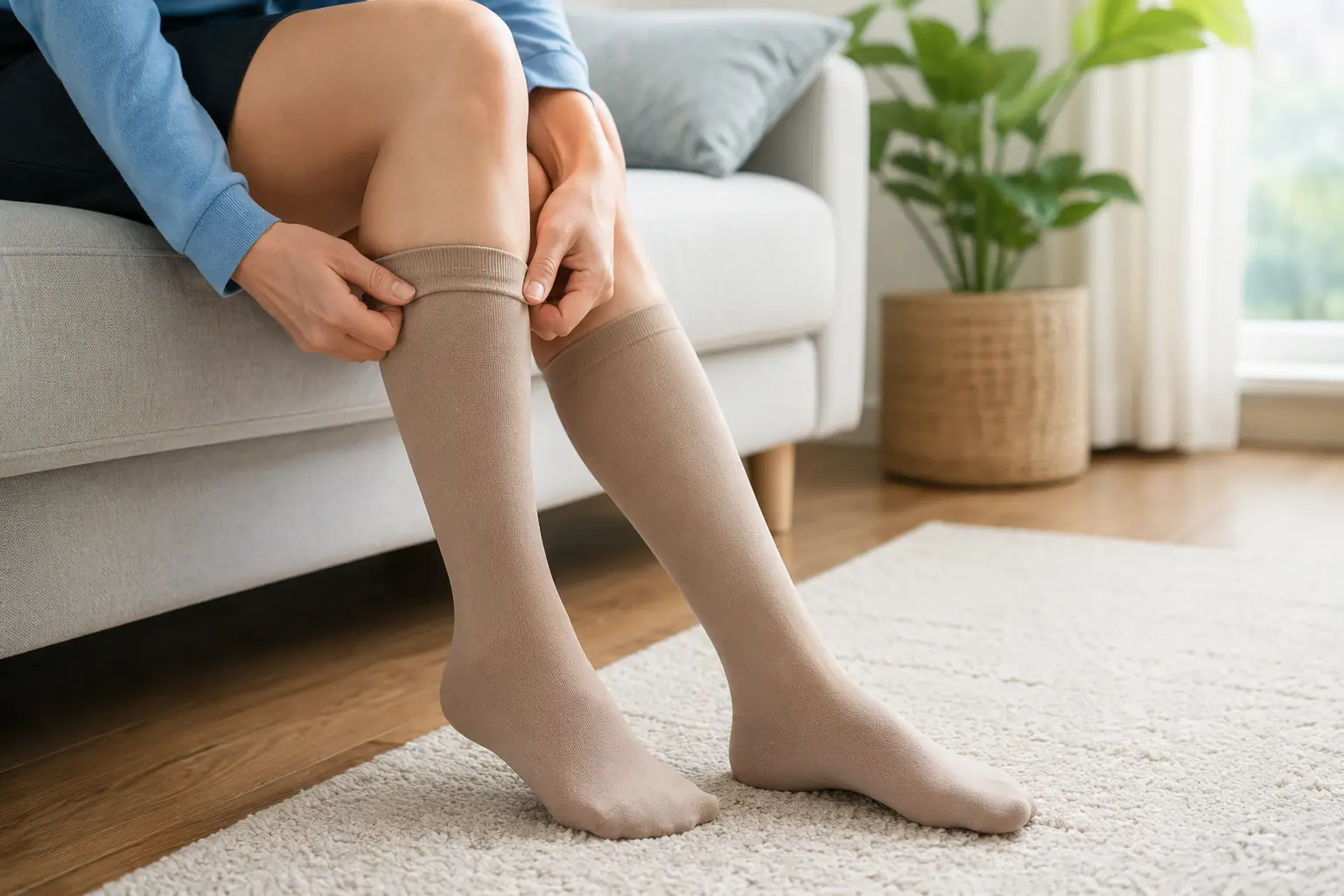
  • Avoiding tight socks, stockings, or shoes, which can restrict circulation around the ankle and worsen swelling.
  • Taking short walking breaks during long periods of sitting or standing, especially during travel or desk work.
  • Wearing graduated compression socks, which support circulation and reduce swelling throughout the day.
  • Limiting alcohol intake, since alcohol can contribute to dehydration and fluid imbalance in some people.

These changes work especially well for people who notice their cankles worsening by the end of the day, after travel, or during hot weather. Combining several of these habits tends to produce better results than relying on just one change alone.

Medical Treatments for Cankles

When cankle stem from an underlying health condition, treating that condition directly is the most effective path forward. A doctor can identify the root cause through a physical exam, blood tests, or imaging, and then recommend the right course of action based on your specific situation.

Medical treatment options vary depending on the underlying cause.

  • Compression therapy for venous insufficiency, which supports blood flow back to the heart and reduces pooling in the lower legs.
  • Diuretic medication for congestive heart failure, which helps the body remove excess fluid.
  • Thyroid hormone replacement for hypothyroidism, which restores hormone balance and reduces fluid retention over time.
  • Decongestive therapy for lymphedema, which includes specialized massage techniques and layered compression bandaging.
  • Blood sugar management for diabetes, which helps prevent the circulation problems that often lead to swelling.
  • Antibiotics for cellulitis, a bacterial skin infection that can cause sudden swelling, redness, and warmth around the ankle.

These treatments require a proper diagnosis from a qualified healthcare provider, so this part of the process should always involve a doctor rather than self treatment or guesswork.

Cankles During Pregnancy

Pregnancy is one of the most common reasons people search for information about cankles. Hormonal changes and increased blood volume during pregnancy often lead to fluid retention in the lower legs, especially during the second and third trimesters when the growing uterus places extra pressure on the veins carrying blood from the legs.

This type of swelling is usually temporary and tends to improve within a few weeks after delivery. Simple steps can help manage cankles during pregnancy.

  • Resting with your feet elevated above heart level whenever possible throughout the day.
  • Wearing supportive, well fitting shoes rather than tight or narrow footwear.
  • Staying active with gentle movement such as walking or prenatal yoga.
  • Reducing sodium intake to help limit excess water retention.
  • Wearing maternity compression socks for added circulatory support.
  • Sleeping on your left side, which can improve blood flow back toward the heart during later pregnancy.Pregnant woman resting with her feet elevated to help reduce swelling and cankles

While mild swelling is a common and expected part of pregnancy, sudden or severe swelling combined with headaches, vision changes, or unusually high blood pressure can signal preeclampsia, a serious pregnancy complication that requires immediate medical attention. Anyone experiencing these combined symptoms should contact a healthcare provider right away rather than assuming it is ordinary pregnancy related swelling.

Cankle Surgery and Other Fixes

For people with structural cankles caused by genetics, surgical options do exist, though they are not necessary or appropriate for everyone. These procedures fall under cosmetic surgery and should only be considered after realistic expectations and a thorough consultation with a qualified, board certified provider.

Common procedures include the following.

  • Liposuction: Which removes excess fat around the ankle to create a more visibly defined shape.
  • Calf and ankle contouring: Which reshapes the lower leg through targeted fat removal and skin tightening.
  • Compression garments worn after surgery: Which support healing and help reduce swelling during the recovery period.

These procedures carry the same general risks as other surgical treatments, including infection, scarring, uneven results, and a recovery period that can last several weeks. Anyone considering surgery should thoroughly research a qualified provider, ask about their experience with this specific procedure, and understand that results vary from person to person based on skin elasticity and underlying tissue structure. It is also worth remembering that surgery addresses appearance only. It does not change the underlying skeletal structure of the leg, so bone width and tendon placement remain the same even after fat removal.

Nonsurgical options, such as noninvasive fat reduction treatments, exist as well, though results tend to be more subtle compared to surgical procedures. These treatments typically require multiple sessions and work best on people with a smaller amount of excess tissue around the ankle.

When to See a Doctor About Cankles

Most cankles do not require medical care, and living with them is completely normal for a large share of the population. Certain situations, however, call for a professional evaluation rather than waiting things out at home. See a doctor if you notice sudden swelling, swelling that affects only one leg, pain, unusual warmth, or skin discoloration around the ankle. These signs can point toward blood clots, infections, or circulation problems that need prompt treatment before they worsen.

People living with diabetes should pay extra attention to any new ankle swelling, since it can sometimes signal kidney issues or early stage heart problems that need early intervention. A quick evaluation can catch these conditions while treatment options are still most effective.

If this condition have stayed consistent for years without pain, sudden changes, or other symptoms, it is most likely a structural trait rather than a medical concern, and no further action is needed unless you personally want to explore cosmetic options.

Building a Positive Body Image With Cankles

Cankles are a normal variation in body shape, similar to differences in height, hand size, or shoulder width. Many people feel pressure to change how their legs look because of comments from others, social media, or unrealistic beauty standards seen online. It helps to remember that leg shape says nothing about your health, your fitness level, or your worth as a person.

If this affect your confidence, try shifting focus toward what your legs allow you to do rather than how they compare to someone else’s. Comfortable clothing, supportive footwear, and genuine confidence in your own body often matter far more than chasing a specific aesthetic ideal. If concerns about your appearance start to affect your daily life, relationships, or mental well being, talking with a counselor or therapist can provide helpful support and perspective. There is no reason to feel ashamed of a trait that so many people share.

Summary

Cankles describe a lower leg where the calf and ankle blend together without a clear line of separation. In most cases, this trait comes from genetics, including bone structure and tendon placement inherited from your family. In other cases, it result from fluid retention, weight changes, pregnancy, or an underlying medical condition such as venous insufficiency, lymphedema, or thyroid problems. Recognizing which category applies to you is the first step toward deciding whether any action is needed at all.

FAQ

What causes cankles?
Cankle come from a mix of genetics, medical conditions such as venous insufficiency or lymphedema, and lifestyle factors such as prolonged sitting, high sodium intake, or warm weather. Genetic cankles are permanent, while cankles caused by fluid retention or temporary weight changes are often reversible with the right approach.

Can you get rid of cankles?
You can reduce cankle caused by excess fat or fluid retention through calf exercises, lower sodium intake, and better circulation habits practiced consistently over time. Genetic cankles, caused by bone and tendon structure, do not respond to exercise or diet and would require surgical procedures like liposuction to visibly change their appearance.

Are cankles a health concern?
Cankles themselves are not dangerous and often reflect completely normal body structure. However, sudden or painful swelling around the ankle can signal a medical issue such as a blood clot, heart problem, or kidney condition, and this type of swelling should always be checked by a doctor rather than ignored or dismissed.


Leave a Reply

Your email address will not be published. Required fields are marked *