
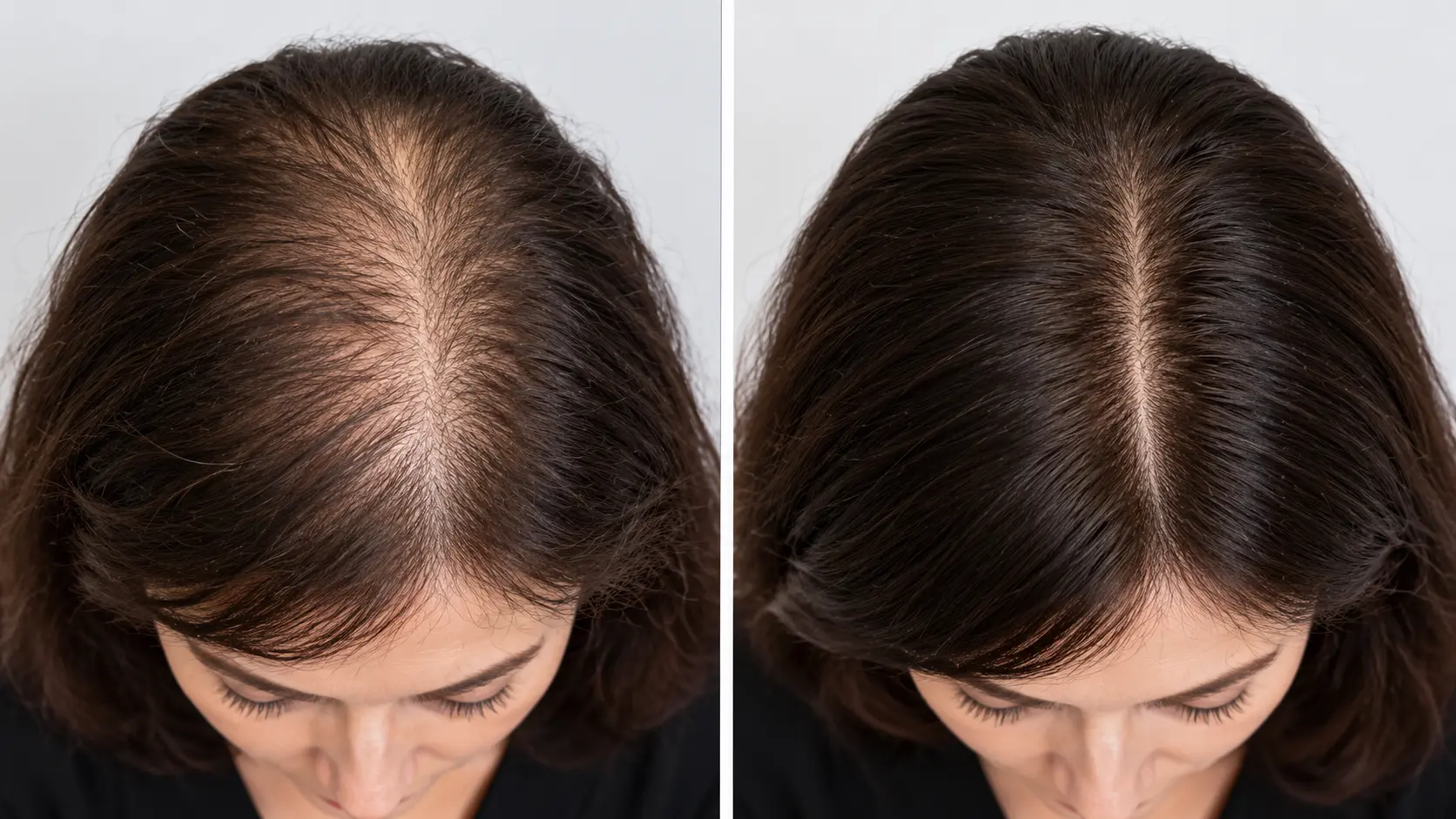

Female hair transplant in Turkey packages typically range from $1,850 to $4,500 depending on technique, graft count, and treatment area, a fraction of the $8,000 to $20,000 commonly charged in the United States for a comparable procedure. Turkey has become a leading destination for this specific procedure because of experienced surgeons, techniques suited to preserving existing hair, and significantly lower regional costs of care.
Female Hair Transplant in Turkey at a Glance
- Typical cost: $1,850 to $4,500
- Preferred techniques: DHI, Sapphire FUE, or a combination
- Typical graft count: 1,000 to 3,500, depending on severity
- Procedure time: 5 to 8 hours
- Recovery: Most patients resume normal activity within a week
- Visible growth begins: 3 to 4 months
- Final results: 9 to 12 months
- Key safety check: Verify JCI accreditation or equivalent licensing before booking
Real Causes of Female Hair Loss, and Why Diagnosis Comes First
Some sources claim only a small fraction of female hair loss is androgenetic, or pattern related, framing most cases as reversible diffuse thinning instead. This does not hold up against the actual medical literature. Androgenetic alopecia is in fact the most common cause of hair loss in women overall, according to both the American Academy of Family Physicians and NIH clinical references, not a minority subtype.
That said, several other causes can look similar and need to be ruled out before surgery makes sense.
- Thyroid dysfunction
- Iron or ferritin deficiency
- Telogen effluvium, often triggered by pregnancy, illness, or major stress
- Hormonal shifts from menopause or PCOS
- Traction alopecia from tight hairstyles
Since only permanent, pattern related hair loss responds to transplantation, getting the diagnosis right matters more than choosing a clinic or technique.
How Severity Is Classified
Surgeons stage female pattern hair loss using the Ludwig Scale, a three stage system based on crown and mid scalp thinning, first published in the British Journal of Dermatology in 1977. This directly shapes what a Turkish surgeon will recommend, since a Stage 1 case with mostly intact density calls for a very different plan than Stage 3. Our full guide to hair transplant for women breaks down all three stages, along with the Savin and BASP systems, in more depth.
Best Techniques for Female Hair Transplant in Turkey
Turkish clinics generally offer three technique options, and the right one depends on how much hair already remains in the treatment zone, not personal preference alone.
- FUE works best for areas with very little remaining hair, such as a heavily receded hairline, since the punch tool can extract and place grafts without navigating around dense existing growth
- DHI works better for areas that still retain some hair, like a thinning part line, since the pen shaped Choi implanter allows precise placement between existing strands
- Sapphire FUE swaps the standard steel blade for a sapphire crystal one, offering a narrower incision, often chosen to minimize visible trauma in unshaven or partially shaven sessions
Female Hair Transplant in Turkey Cost Breakdown
Turkish pricing scales with three real factors, technique, graft count, and the size of the area being treated.
| Technique | Typical Cost |
|---|---|
| Sapphire FUE | $1,850 to $2,500 |
| DHI | $2,500 to $3,500 |
| Combined FUE and DHI | $2,000 to $3,500 |
| Hair Loss Severity | Typical Grafts | Typical Cost |
|---|---|---|
| Mild thinning | 1,000 to 1,500 | $2,000 to $2,600 |
| Moderate thinning | 1,500 to 2,500 | $2,500 to $3,300 |
| Advanced thinning | 2,500 to 3,500 | $3,200 to $4,500 |
Most clinics price this as an all-inclusive package covering the procedure, accommodation, transfers, and aftercare, rather than a bare per-graft rate. This differs meaningfully from female hair transplant cost in Western countries, where per-graft billing is far more common and totals run considerably higher for a comparable graft count.
What Research Shows About Graft Survival
High patient volume in Turkey means technique execution genuinely varies by clinic, which makes the actual research worth knowing. A comparative study found FUE grafts survived at 53.9 percent compared to 85.2 percent for FUT grafts taken from the same patients, a gap researchers attribute to FUT’s advantage of dissecting grafts under direct microscopic view rather than the blind extraction FUE requires. A separate study measuring donor hair before and after extraction found surgeons typically remove only about 35 percent of the total hair present in the harvested zone, evidence that responsible extraction is deliberately conservative rather than maximized in a single session.
Considerations for Afro-Textured Hair
Women with Afro-textured hair face a distinct cause of hair loss worth naming specifically. Traction alopecia, caused by prolonged tension from tight braids, weaves, or dreadlocks, affects an estimated one third of African American women, making it the most common form of hair loss in that group, according to a review of studies covered by Johns Hopkins researchers. It is worth knowing about a second, related condition too, central centrifugal cicatricial alopecia, a scarring form of hair loss that affects nearly 15 percent of Black women. Unlike traction alopecia, this type involves active inflammation that should be diagnosed and controlled before any transplant is considered, since transplanting into actively scarring tissue can fail. The American Academy of Dermatology recommends loosening tight styles and avoiding chemical relaxers alongside extensions, the combination shown to carry the highest risk.
Afro-textured follicles also have a distinct curl pattern beneath the skin, which changes how extraction needs to be approached to avoid unnecessary transection. Not every clinic in Turkey has documented experience with this hair type specifically, so asking to see prior cases involving Afro-textured hair is a reasonable question before booking.
Who Is a Good Candidate
- A stable, medically diagnosed pattern of hair loss
- A donor area with adequate density for the current session and future need
- Realistic expectations about the 9 to 12 month result timeline
- No active scalp inflammation, infection, or unmanaged scarring alopecia
Reputable clinics typically order blood work covering thyroid function, ferritin and iron levels, and relevant hormone levels, alongside a scalp examination, before confirming candidacy.
Recovery Timeline
- Days 1 to 3: Mild swelling, redness, and small scabs
- Week 1: Scabs begin clearing, most patients resume light activity
- Weeks 2 to 4: Temporary shedding of transplanted hair, called shock loss, is normal
- Months 3 to 4: New growth becomes visible
- Months 9 to 12: Final results mature
Choosing a Safe Clinic in Turkey
Price alone is a poor way to judge a clinic. A few checks matter more than the number on the quote.
- Verify accreditation through a body like Joint Commission International, an independent signal of safety standards a clinic’s own marketing cannot substitute for
- Ask for documented experience with your specific hair type and hair loss pattern
- Confirm which tests are required before surgery is even offered
- Treat a price significantly below the ranges above as a warning sign, not a bargain, since it often reflects less experienced staff or hidden costs added later
Summary
Female hair transplant in Turkey packages typically run $1,850 to $4,500 depending on technique and severity, well below Western pricing for a comparable procedure. Androgenetic hair loss is actually the most common cause of female hair loss, not a rare exception, though reversible causes should always be ruled out first. Technique choice should follow how much existing hair remains in the treatment zone, and for women with Afro-textured hair, ruling out scarring conditions like CCCA matters as much as choosing the right clinic.
Frequently Asked Questions
How much does a female hair transplant cost in Turkey?
Typically $1,850 to $4,500, depending on the technique used, the number of grafts needed, and the severity of hair loss being treated.
Is DHI or FUE better for women in Turkey?
It depends on how much hair remains in the treatment area. DHI tends to suit zones with some existing hair, while FUE tends to suit areas with very little remaining hair.
Do all Turkish clinics have experience with Afro-textured hair?
No, and this is worth asking about directly. Afro-textured hair requires a different extraction approach due to its curl pattern, so requesting documented prior cases with this hair type is a reasonable step before booking.
References
- American Academy of Family Physicians. Alopecia in Women.
- National Institutes of Health, StatPearls. Androgenetic Alopecia.
- Ludwig E. Classification of the Types of Androgenetic Alopecia (Common Baldness) Occurring in the Female Sex. British Journal of Dermatology, 1977.
- American Academy of Dermatology. Hairstyles That Pull Can Lead to Hair Loss.
- Joint Commission International. Accreditation Standards for Hospitals.
Disclaimer: This article is based on peer reviewed dermatology literature and clinical references, offering an evidence based look at female hair transplant options in Turkey for general informational purposes only. It is not a substitute for professional medical advice.