Written by Sajid, Health Content Researcher
Researched from clinical literature, plastic surgery association guidance, and hospital health resources to help readers understand cankle surgery cost, procedure, and recovery. For informational purposes only, not a substitute for professional medical advice.
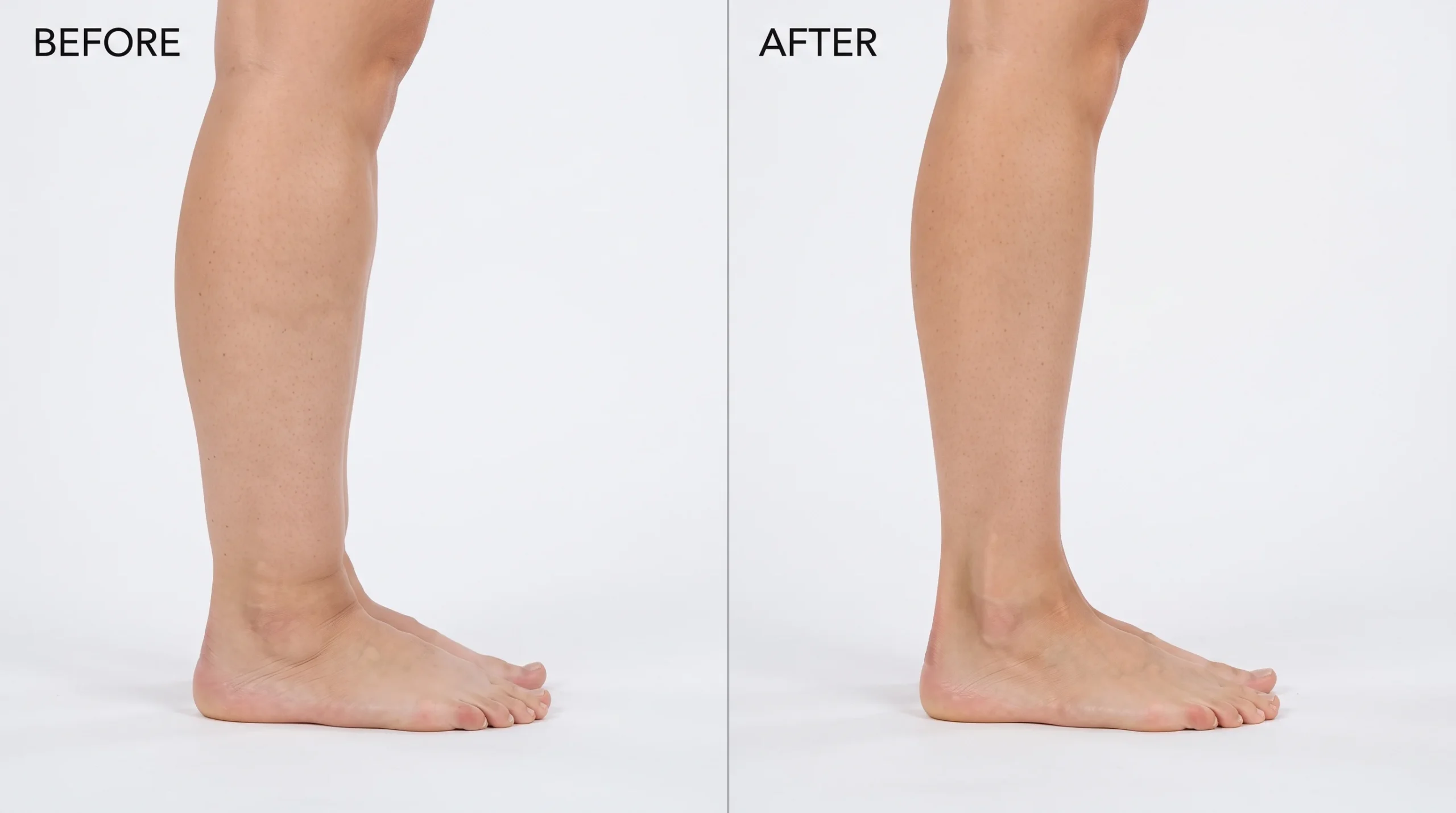
Cankle surgery is a cosmetic procedure, almost always ankle liposuction, that removes excess fat from around the ankle and lower calf to create a more visible taper. Your surgeon numbs the area, then uses a thin tube to loosen and suction out the fat beneath your skin. It only works if fat is actually the cause, so before anything else, you and your doctor will need to confirm that is really what you are dealing with.
What Is Cankle Surgery
Cankles is just a descriptive term, not something your doctor will diagnose you with. Cankle surgery is the general name for treating it, and liposuction is the specific technique your surgeon will actually use, so in practice you will hear the two terms used almost interchangeably. If you are not sure whether what you are seeing is a true cankle or ordinary ankle swelling, that distinction is worth sorting out before you book a consultation, and understanding the common causes and signs behind cankles can help you go into that appointment with better questions.
Is It Fat, Fluid, or Muscle
Before your doctor recommends anything, they will want to know which of three things is really behind your cankles, because the answer decides whether surgery can help you at all.
Fat cankles are the most common, and the only kind liposuction actually treats. This fat is often shaped by genetics, which is why it can stay put even after you have lost weight everywhere else.
Fluid cankles come from swelling rather than fat. If you notice it after long flights, hot weather, standing all day, or during pregnancy, that is very likely fluid retention, and surgery will not fix it since there is no fat to remove.
Muscular lower legs are the one people forget about. Some of us simply have naturally strong, bulky calves, and no amount of liposuction will change that, since it only removes fat. If you are not sure which of these applies to you, a look at genetic versus medical causes of cankles is a good place to start before your consultation.
Why People Consider Cankle Surgery
You might be considering this procedure for one of two reasons, and both are valid.
For some people, it is simply about how their legs look, and wanting a faster result than diet or exercise has given them. For others, it is genuinely about comfort. A condition called lipedema causes painful fat buildup in the legs, and according to the National Institutes of Health, it affects up to 11 percent of women, often tied to hormonal changes. If pain or limited mobility is part of your situation, your doctor may see this as a real treatment, not just a cosmetic one.
One honest thing worth knowing going in: liposuction will not treat obesity, will not remove cellulite, and will not tighten loose skin or slim a muscular calf.
Are You a Good Candidate
Your surgeon will generally look for a few things before recommending the procedure.
- Your cankles are confirmed to be fat related, not fluid or muscle
- Your weight is close to a stable, healthy range
- Your skin has enough elasticity to settle smoothly afterward
- Your weight has been steady for a while, since the results hold up better on a body that is not actively changing size
- You have realistic expectations about how much difference surgery can make
If fluid retention or an unconfirmed medical cause is part of your picture, your doctor will likely want that addressed first.
The Procedure
The official name for this is ankle or calf liposuction. The core steps stay the same for almost everyone. Your surgeon may adjust small details based on your age, skin elasticity, and how much fat needs to come out. Here is what actually happens once you are in the surgery room.
- Your surgeon numbs the area with a local anesthetic. The treatment zone is small enough that you usually will not need general anesthesia.
- Small incisions are made around your ankle or calf, just large enough for a thin tube called a cannula.
- The cannula loosens the fat underneath your skin, and a vacuum device suctions it out. If you have lipedema, your surgeon may use a fluid assisted technique first, since that denser fat can be harder to remove with suction alone.
- Your surgeon closes the incisions and wraps the area in compression bandages, which start controlling swelling right away. Most patients go home the same day.
Healing and What Helps Along the Way
The first few days bring some swelling and discomfort, which is completely normal. Your doctor will likely have you walking again the next day to support circulation, though anything strenuous needs to wait. You will wear a compression garment for several weeks, and it genuinely helps control swelling while your skin settles into its new shape.
Beyond compression, gentle movement makes a real difference too. Once your surgeon clears you, easy ankle circles and light calf exercises can support circulation and help the area heal evenly, without straining anything too soon.
Pain usually fades quickly and responds well to over the counter relief. Swelling is the slower part. It is common to feel like your ankle looks puffier before it looks better, and the real, slimmer result usually is not visible until somewhere between 3 and 6 months out.
Cankle Surgery Cost in the USA
Most cankle surgery in the USA costs between $3,500 and $7,000, based on data from the American Society of Plastic Surgeons. The final number depends on your location, your surgeon’s experience, and whether you need an additional technique for denser fat. Since this is considered cosmetic, your insurance likely will not cover it, so a written quote after your consultation is the only real way to know your total cost.
Risks and Side Effects
Risks
This procedure is generally safe, but it is still surgery, so real risks exist. You could face infection, bleeding, nerve or blood vessel damage, or in rare cases, a blood clot. Uneven results between your two legs are also possible, especially with a less experienced provider.
Side Effects
More commonly, you might notice bruising, swelling, numbness, or temporary fluid buildup where you were treated. Some patients see loose skin or more visible cellulite nearby afterward. Most of this fades within a few weeks, though full healing can take a few months.
Non Surgical Alternatives
If fluid retention plays any role in your cankles, it is worth trying non-surgical options before surgery. Compression socks and targeted lower leg exercise can genuinely improve how your ankles look over time, especially if swelling is part of the picture.
If you would rather avoid surgery altogether, CoolSculpting is worth asking about. It freezes fat cells under your skin so your body clears them naturally over the following weeks, with no incisions, no anesthesia, and essentially no recovery time, though you will likely need more than one session to see a real result.
How to Choose a Surgeon
Your surgeon matters more than any tool or clinic marketing. Look for someone board certified in plastic surgery with real experience treating the ankle and lower leg specifically, not just liposuction in general. Ask to see real patient photos, not illustrations, and get your full quote in writing before you commit, since an inexperienced provider is far more likely to leave you with uneven results that are hard to fix later.
Summary
Cankle surgery only works when fat, not fluid or muscle, is actually behind your cankles, which is why figuring that out comes before anything else. It typically costs $3,500 to $7,000 in the USA, and it works best if your weight is stable and your skin has good elasticity. Healing is manageable day to day, though your final result can take 3 to 6 months to fully show as swelling resolves. Risk is generally low with an experienced, board certified surgeon, and non-surgical options like compression and CoolSculpting are worth trying first if you are not sure fat is your actual cause.
Frequently Asked Questions
Can cankles be surgically removed?
Cankles are not a growth, so there is nothing to literally remove, but the excess fat causing them can be. Liposuction treats fat related cankles by removing that fat directly. It will not help if fluid retention or muscle is the actual cause.
Can you walk after leg liposuction?
Yes. Most patients walk the same day or the day after surgery, and your surgeon will likely encourage gentle movement to support circulation. Anything strenuous needs to wait a bit longer.
How long does liposuction last?
Results are generally permanent as long as your weight stays stable, since the fat cells removed during surgery do not come back. Significant weight gain afterward can still affect the area through fat cells that were not treated.
Is liposuction safe?
It is generally considered a safe procedure when performed by a board certified surgeon, though it still carries real risks like infection, bleeding, nerve damage, and in rare cases a blood clot. Choosing an experienced provider lowers most of these risks.
Are cankles permanent?
It depends on the cause. Fat related cankles tend to stay unless treated, since that fat pattern is often genetic. Fluid related cankles usually improve once the underlying cause, like pregnancy or long periods of standing, resolves. Muscular cankles are simply natural leg shape and will not change with treatment.
References
- American Society of Plastic Surgeons. Liposuction Cost.
- National Institutes of Health, Genetic and Rare Diseases Information Center. Lipedema.
- Cleveland Clinic. Lymphedema: Symptoms, Causes and Treatment.Last updated: 9 August 2026.