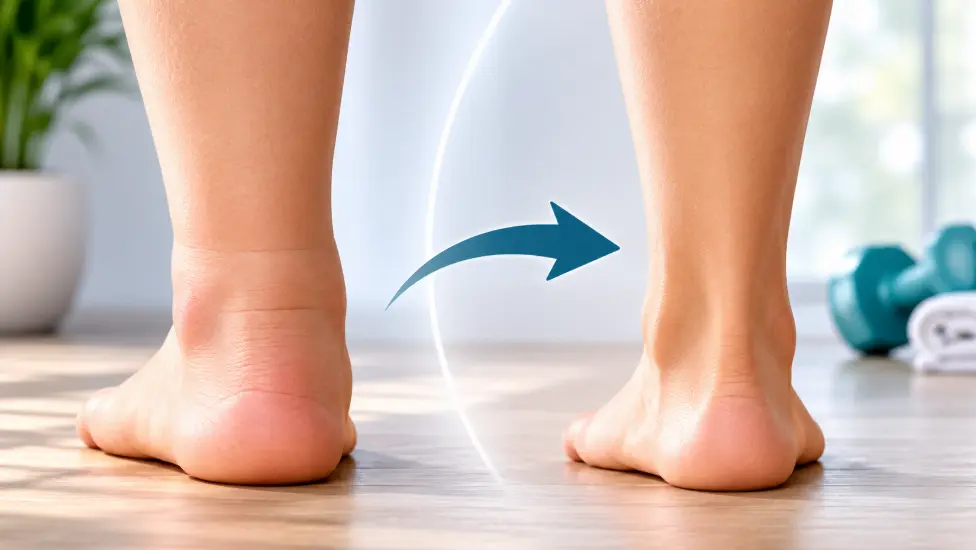
How to Get Rid of Cankles: What Actually Works
Written by Sajid, Health Content Researcher
Researched from clinical literature and medical guidance to give you honest, practical ways to get rid of cankles based on what is actually causing them. For informational purposes only, not a substitute for professional medical advice.
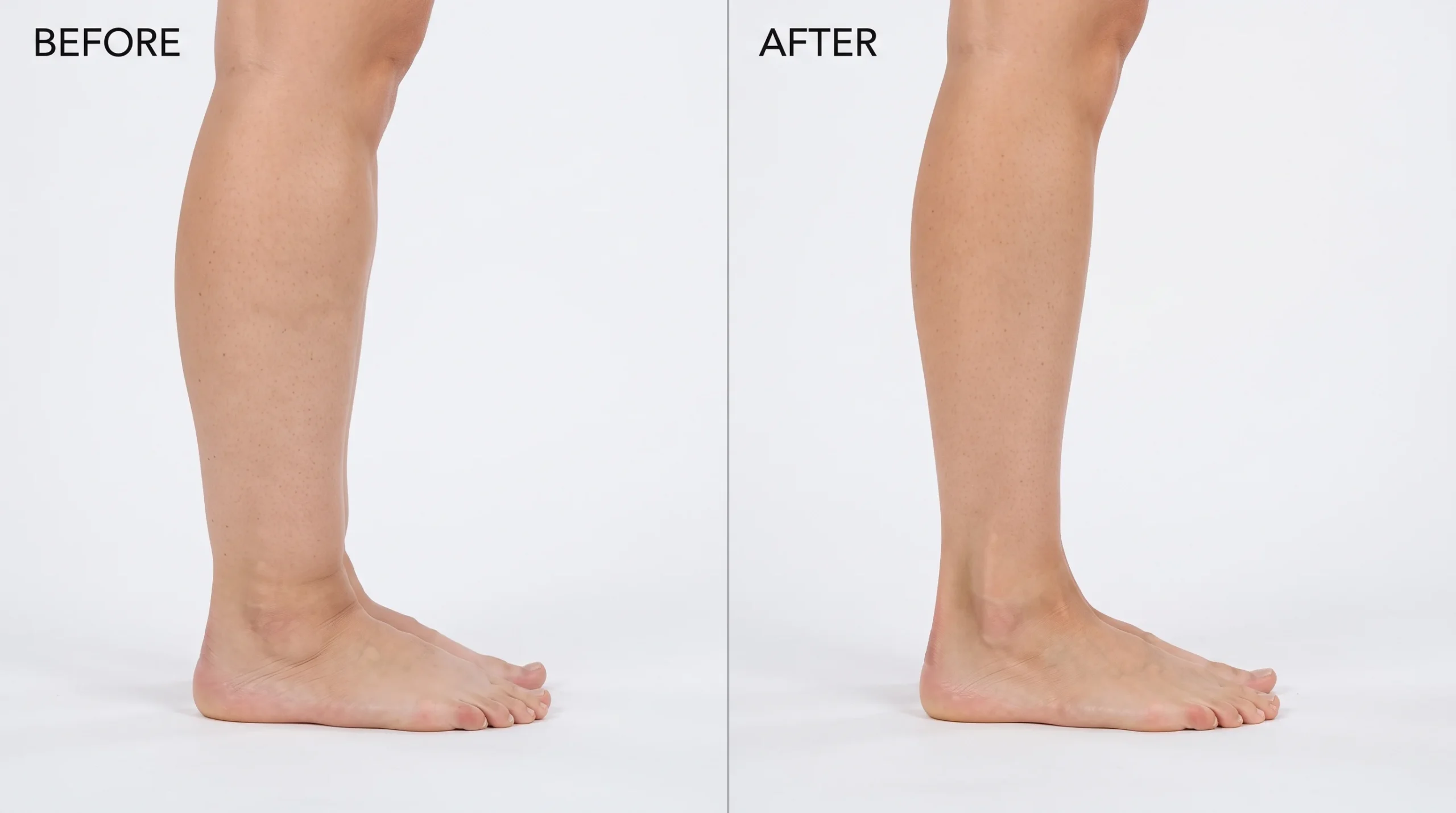
There is no single fix for cankles, because the right approach depends on what is causing yours. Some respond well to exercise and lifestyle changes. Others need a different approach entirely. Here is what actually works, and what does not, based on the real cause behind your cankles.
What Causes Your Cankles
Before trying anything, it helps to know which category you fall into. Genetic or structural cankles come from inherited bone width and fat distribution, and they look the same every day no matter what you do. Fat related cankles come from extra fat settling around the lower leg. Fluid related cankles come from water retention, often worse by evening and better after rest. Knowing whether your cause is genetic or medical changes which of the methods below will actually help you.
Can You Really Get Rid of Cankles
It depends on the cause, and it is worth being honest about this upfront. If your cankles are genetic, no exercise or diet will change your bone structure, though toning the calf can still improve how the leg looks. If they are fat related, overall fat loss combined with calf toning can make a real difference, but you cannot choose to lose fat from just your ankles. Fat comes off the whole body, not one targeted spot. If they are fluid related, lifestyle changes often bring the fastest, most noticeable results.
Exercises for Calf and Ankle Definition
Your calf muscles do more than shape your leg. Every time they contract, they help push blood back up toward your heart, a mechanism sometimes called the calf muscle pump, and weak circulation in this area can make swelling worse over time, according to Cleveland Clinic. Building calf strength supports both the visual taper you want and healthier circulation.
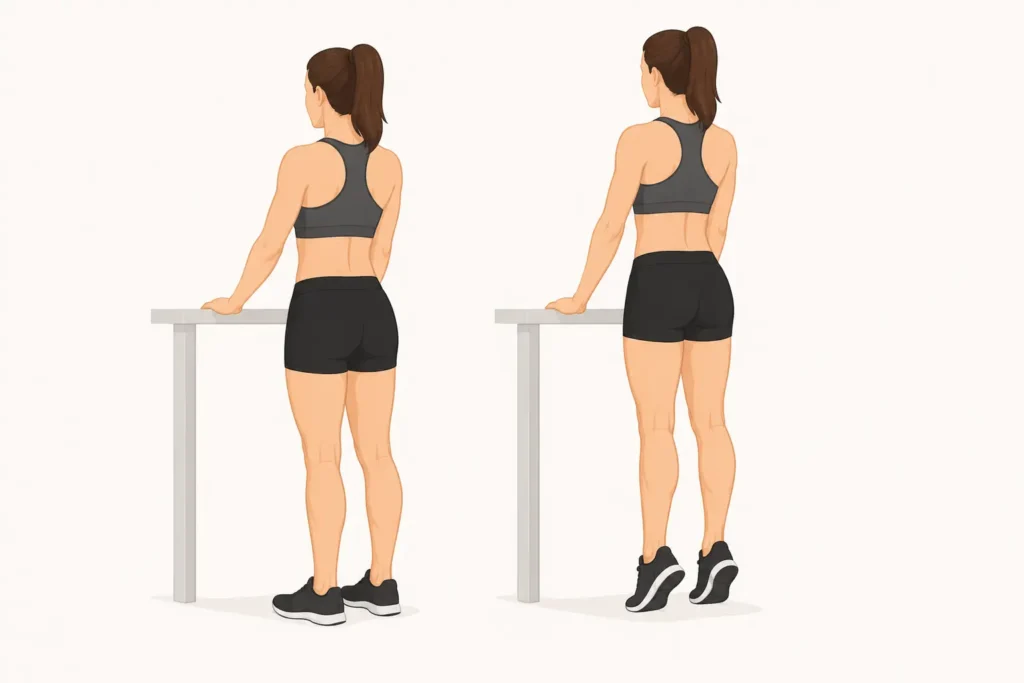
Calf Raises
Equipment needed: none, or a pair of light dumbbells for extra resistance once bodyweight feels easy.
Calf raises target the gastrocnemius and soleus, the two muscles that make up your calf. Building these muscles creates more visible shape right where the taper between calf and ankle should be.
- Stand with feet hip width apart
- Rise slowly onto your toes
- Hold for 2 seconds at the top
- Lower down with control
- Repeat for 3 sets of 15 reps
Stair Calf Raises
Equipment needed: a step or stair with at least a few inches of drop-off.
Standing on a raised edge lets your heel drop below the step, giving your calf a longer range of motion than a flat floor allows.
- Stand with the balls of your feet on the edge of a step
- Lower your heels below the step level
- Press up onto your toes
- Lower back down with control
- Repeat for 3 sets of 15 reps
Ankle Circles
Equipment needed: none.
This move supports mobility in the tendons around your ankle joint, which can help with cankles linked to stiffness or poor movement rather than fat or fluid.
- Lift one foot slightly off the ground
- Rotate your ankle in slow circles, 10 times each direction
- Switch to the other foot
Jump Rope
Equipment needed: a jump rope sized to your height.
Jump rope raises your heart rate while engaging the calves with every jump, making it one of the more efficient ways to support overall fat loss alongside calf definition.
- Jump for 1 minute
- Rest for 30 seconds
- Repeat for 10 rounds
Squats and Lunges
Equipment needed: none, or a light dumbbell held at your chest for added resistance.
These do not target the ankle directly, but toning the whole leg makes the calf to ankle line look sharper by comparison.
- Stand with feet shoulder width apart
- Lower into a squat with your back straight
- Push through your heels to stand
- Repeat for 3 sets of 12 reps
Diet and Lifestyle Changes for Fluid Related Cankles
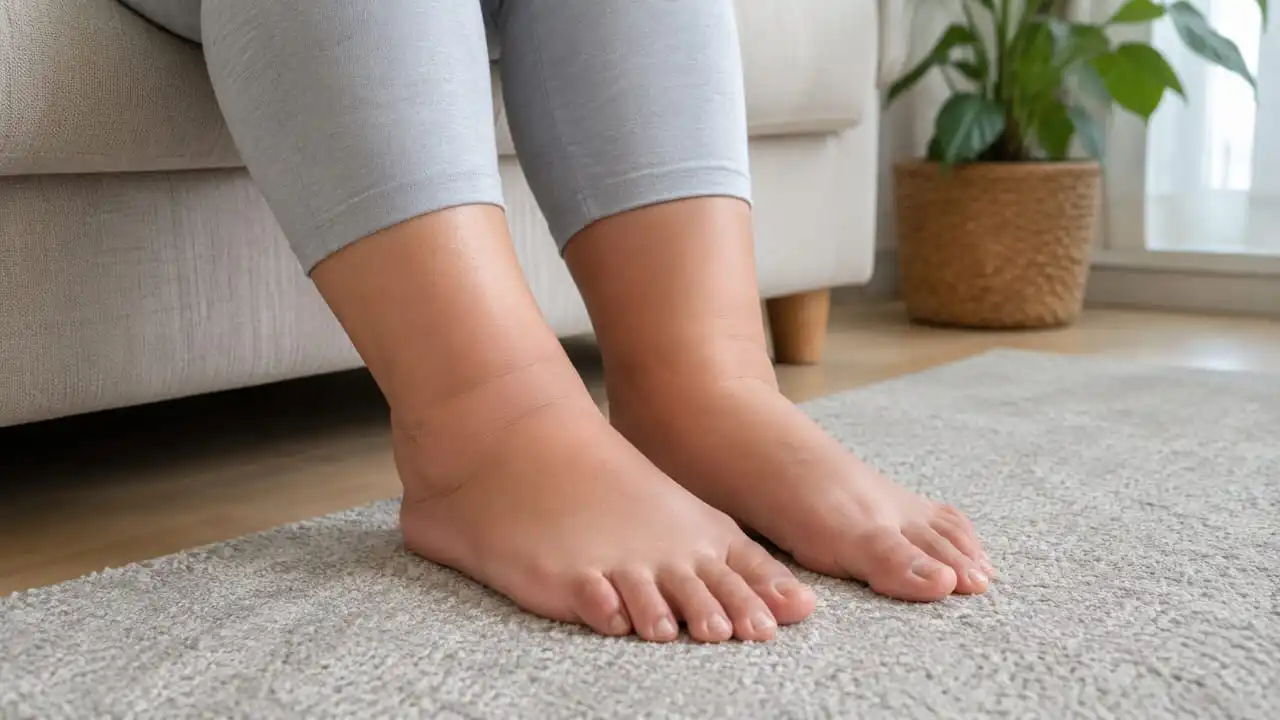
If fluid is behind your cankles, exercise alone will not fix it. Too much sodium causes your body to hold onto extra water, and that fluid often settles in the lower legs, according to Mayo Clinic. Cutting back on processed foods, checking nutrition labels for hidden salt, and drinking enough water to support your body’s fluid balance can noticeably reduce this kind of swelling. Moving regularly instead of sitting or standing for hours also helps, since staying still for long periods lets fluid pool in your ankles.
Compression Socks and Leg Elevation
Compression socks apply gentle pressure that supports blood flow back up the leg, which can meaningfully reduce fluid related swelling, especially after long flights or shifts spent on your feet. Elevating your legs above heart level for 15 minutes gives gravity a chance to help move fluid out of the area. Picking the right pressure level of compression socks for cankles makes a real difference in how much relief you actually feel.
When Exercise and Lifestyle Are Not Enough
If your cankles come from stubborn fat that has not responded to consistent exercise and diet changes, cankle liposuction is a real option worth discussing with a board certified surgeon. It typically costs between 3,500 and 7,000 dollars in the USA, based on data from the American Society of Plastic Surgeons, and it only works for fat related cankles, not genetic shape or fluid retention.
When Swelling Needs Medical Attention
Most cankles do not need medical attention. But call 911 if swelling comes with chest pain or trouble breathing, and call your doctor if you notice sudden swelling, swelling in only one leg, or swelling that keeps getting worse despite rest and elevation. If any of this sounds familiar, it is worth understanding when cankles are dangerous before trying to manage the swelling yourself.
Summary
How you get rid of cankles depends entirely on the cause. Genetic cankles respond to toning but not full reshaping. Fat related cankles improve with overall fat loss, calf exercises, and in stubborn cases, liposuction. Fluid related cankles usually respond fastest to salt reduction, hydration, movement, and compression. Sudden, painful, or one sided swelling is worth a call to your doctor rather than something to exercise through. And whatever you decide to do, that choice is entirely yours to make.
Frequently Asked Questions
How to get cankles to go away?
It depends on the cause. Genetic cankles will not fully go away, though calf toning improves how they look. Fat related cankles improve with overall fat loss and exercise. Fluid related cankles usually go away fastest with salt reduction, elevation, and compression.
Does walking reduce cankles?
Walking can help, especially for fluid related swelling, since it engages the calf muscles and supports circulation. It will not change genetic bone structure, but it can improve mild fat related and swelling related cankles over time.
What causes fat cankles?
Fat cankles come from excess fat settling around the lower leg, often influenced by overall body fat levels and genetics that affect where your body tends to store fat.
What causes skinny ankles?
Naturally slim ankles usually come down to genetics and lower fat storage in the lower leg, which lets the bone and tendon structure show through more clearly, creating a defined taper.
References
- Cleveland Clinic. Chronic Venous Insufficiency.
- Mayo Clinic. Edema: Symptoms and Causes.
- American Society of Plastic Surgeons. Liposuction Cost.Last updated: 13 August 2026