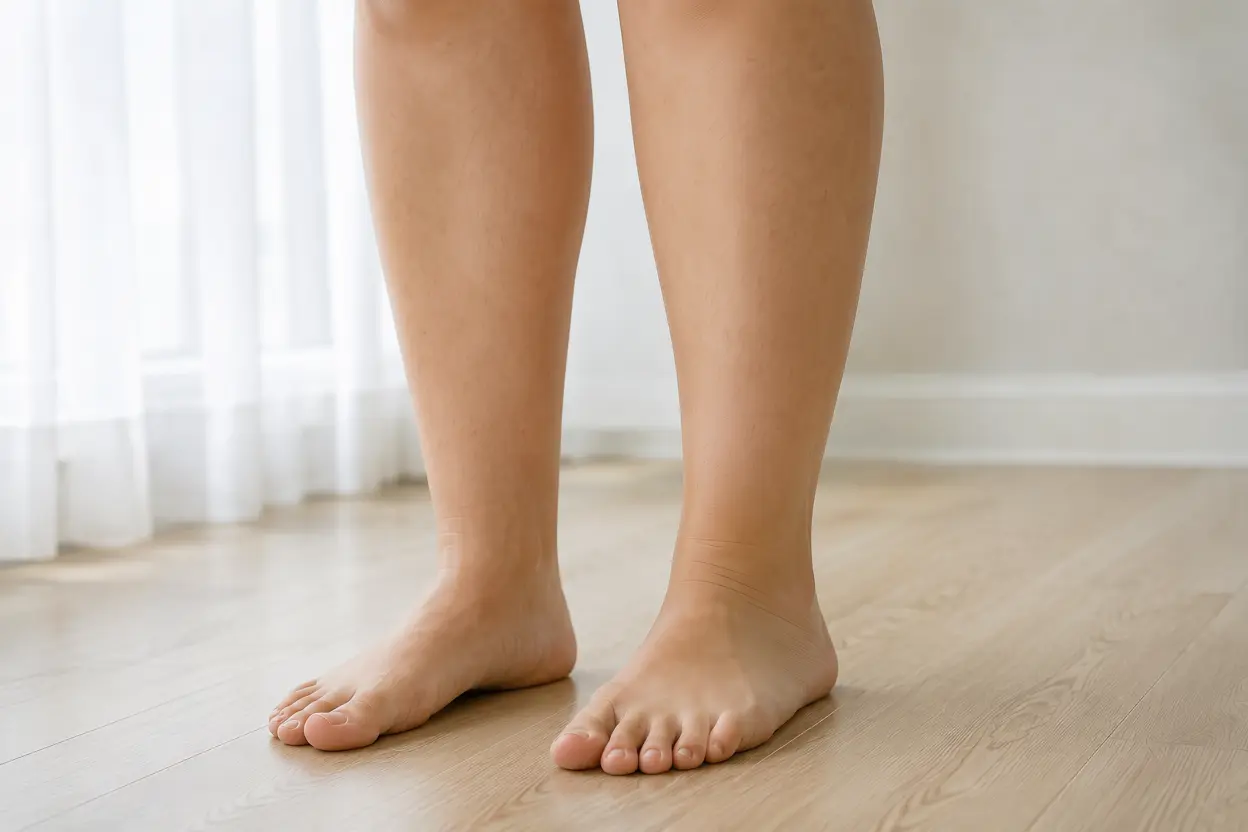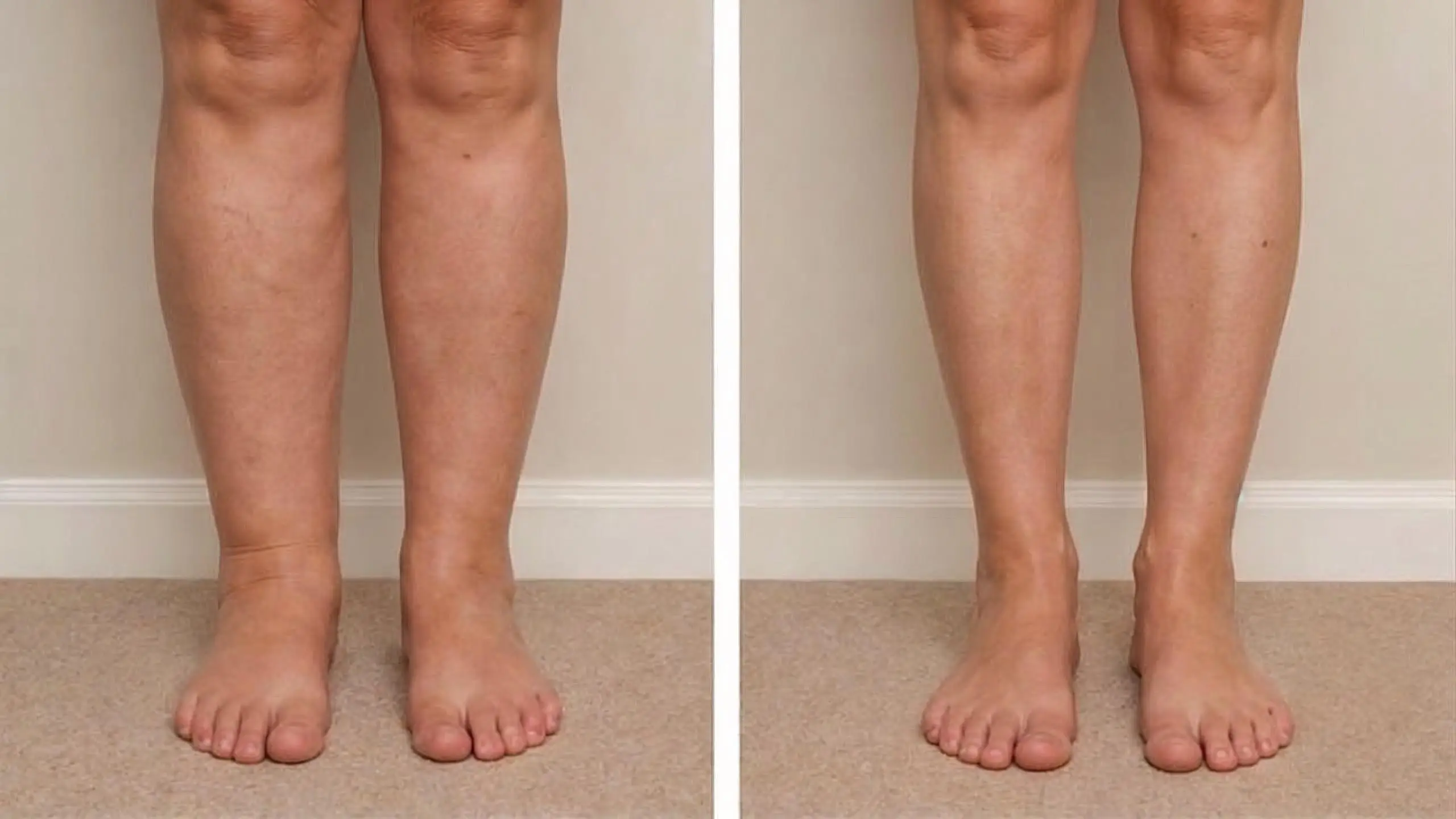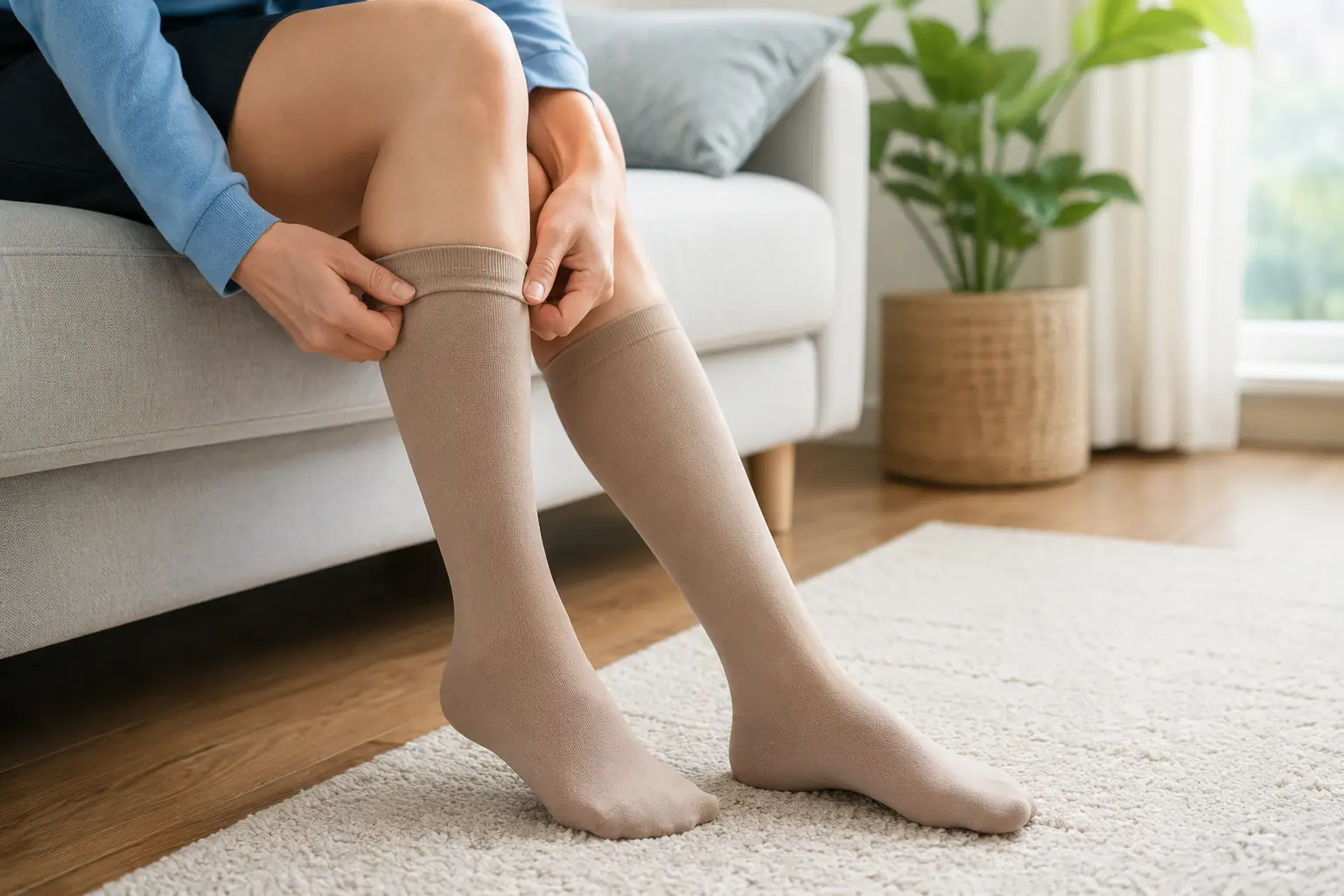
If your ankles and calves seem to blend into one shape by the end of the day, compression socks for cankles are one of the simplest things you can try. They gently squeeze the lower leg, push fluid back toward the heart, and take some of that heavy, swollen feeling out of your evening. This guide walks through how these socks actually work, how to pick the right compression level, and how to wear them in a way that fits real life, not just a product label. It also covers why cankles show up in the first place, small habits that make the socks work even better, and the moments when swelling means it is time to call a doctor.
What Are Compression Socks for Cankles
Compression socks for cankles are snug socks that squeeze tighter around the ankle and gradually loosen as they move up the leg. That gentle, graduated pressure is what pushes blood and fluid upward instead of letting it settle around the ankle bone. A lot of people assume any tight sock will do the job, but real compression wear follows a medical grading system measured in millimeters of mercury, or mmHg, so the pressure is consistent and safe rather than just tight for the sake of it. Well made pairs use reinforced fibers that hold their shape through a full day of wear, so the support you feel at 8 a.m. is close to what you still feel at 6 p.m.
How Compression Socks for Cankles Improve Circulation
Poor circulation is one of the biggest reasons ankles swell and lose their shape in the first place. When blood or fluid sits in the lower leg instead of moving along, the ankle can look puffier and wider than it really is. Compression therapy squeezes the veins so they can push blood back toward the heart more efficiently, which lowers pressure inside the vessels and keeps fluid from building up in the surrounding tissue. Better circulation also means more oxygen and nutrients reach the muscles and skin in your lower leg, which is part of why people who wear these socks regularly often say their legs simply feel more recovered after a long day on their feet. Compression therapy squeezes the veins so they can push blood back toward the heart more efficiently, a mechanism confirmed by Mayo Clinic’s guidance on compression stockings.
Benefits of Compression Socks for Cankles
Once compression socks for cankles become part of your routine, the benefits tend to show up gradually rather than overnight. Most people notice small changes first, like slightly less puffiness by evening, and the bigger improvements build from there with consistent use.
Reducing Swelling and Fluid Buildup
People who stand or sit for long hours, travel often, or deal with swelling during pregnancy usually notice the biggest difference. The steady pressure keeps fluid from pooling around the ankle joint instead of letting it collect there hour after hour. Many wearers say their ankles look and feel noticeably softer within the first few weeks of wearing them daily.
Easing Pain and Discomfort
Compression socks for cankles also take the edge off that heavy, achy feeling that so often comes with swollen ankles. By giving the veins and muscles a bit of extra support, they reduce strain on the lower leg during long stretches of standing or walking. It is a small thing, but plenty of people mention feeling lighter on their feet by dinnertime, and some even notice fewer nighttime leg cramps after switching to graduated compression.
Supporting Healthy Blood Flow During Travel and Work
Long flights and long shifts at a desk both slow circulation in similar ways, since sitting still for hours lets blood pool in the legs. Wearing supportive socks keeps that blood moving and lowers the odds of stiffness or swelling once you finally stand up. This is exactly why nurses, teachers, and retail workers who are on their feet all day often reach for the same kind of support to get through a long shift comfortably.
Choosing the Right Compression Socks for Cankles
Not every pair of compression socks for cankles applies the same amount of pressure, and picking the right one matters more than people expect. Compression levels are measured in mmHg, and the level that suits you depends on how much swelling you are dealing with and whether a doctor has already recommended a specific grade. Fabric weight, sock height, and toe construction all affect comfort too, so it is worth trying more than one style before settling on a favorite for daily wear.
Compression Levels Explained
Mild compression, somewhere around 8 to 15 mmHg, works well for everyday tiredness or light swelling, and it is usually the easiest starting point if you are new to compression wear. Moderate compression, around 15 to 20 mmHg, tends to suit people who stand for long shifts or travel often, since it offers noticeably more support without feeling too tight. Firm compression, above 20 mmHg, is typically prescribed by a doctor for a specific medical condition and is not something to choose on your own without guidance. Knee high styles cover most everyday swelling, while thigh high or waist high versions are better suited to swelling that reaches higher up the leg.
How to Measure for the Right Fit
A tape measure is really all you need here. Wrap it around the widest part of your ankle and your calf, then compare those numbers to the sizing chart on the packaging rather than guessing based on your usual sock size. Measuring in the morning, before swelling has a chance to build up, gives you the most accurate starting point. It also helps to recheck those measurements every few months, since weight changes or pregnancy can shift ankle and calf size more than you might expect.
Causes of Cankles and Why Compression Socks Help
Cankles show up for a range of reasons, and it is rarely just one thing. Genetics, weight gain, pregnancy, and long hours of standing or sitting all play a part, and fluid retention along with sluggish circulation tend to be the common thread running through most of them. Compression socks for cankles help with both of those issues at once, encouraging fluid and blood to move upward instead of settling near the ankle. A few of the most common contributors include the following.
- Hormonal shifts during pregnancy or hot weather that cause temporary ankle swelling
- Genetics, since some people naturally carry more fat or fluid around the ankle no matter their weight
- Aging veins that lose some elasticity over time, making it easier for blood to pool
- Certain medications, including some blood pressure drugs, that can lead to mild fluid retention
Some swelling does point to something more serious, and compression alone will not resolve conditions like chronic venous insufficiency without additional medical care alongside it.
How to Wear Compression Socks for Cankles Safely
Getting real value out of compression socks for cankles comes down to correct sizing, good timing, and a few consistent habits rather than anything complicated. A poor fit can undo most of the benefit or even cause discomfort, so measuring your ankle and calf before you buy is well worth the extra couple of minutes.
Best Practices for Daily Use
A few small habits go a long way toward making these socks actually work for you.
- Put them on first thing in the morning, before swelling has a chance to build up
- Size based on an accurate ankle and calf measurement instead of your regular shoe size
- Take them off before bed unless a doctor has specifically recommended overnight wear
- Replace any pair that feels loose or worn out, since even pressure is what makes them effective
Combining Compression Socks with Lifestyle Habits
compression socks for cankles work best when they are paired with a few everyday habits rather than used on their own. A handful of small changes make a real difference alongside them.
- Move around regularly instead of staying seated or standing in one spot for hours
- Skip the habit of crossing your legs while seated, since it restricts blood flow
- Elevate your feet in the evening to help drained fluid stay down longer
- Cut back on salty foods, since sodium encourages the body to hold onto fluid
On long flights or car rides, a short walk every hour or so gives your calf muscles a chance to pump blood back toward your heart, which adds even more benefit on top of what the socks provide.
When to See a Doctor About Ankle Swelling
Compression socks for cankles are genuinely helpful for everyday swelling, but a few symptoms are worth taking seriously rather than managing at home. According to Cleveland Clinic, certain warning signs mean it is time to call a doctor rather than reach for another pair of socks.
- Sudden or severe swelling in one leg, which can point to a blood clot
- Swelling accompanied by pain, redness, or warmth in the ankle or calf
- Swelling paired with shortness of breath, chest pain, or unexplained rapid weight gain
A doctor can confirm whether compression is the right approach or whether an underlying condition needs treatment first. Anyone with a history of blood clots or vein disease should check in with a doctor before starting a new compression routine, just to be safe.
Cankle Socks vs Other Treatment Options
Compression socks are rarely the only tool people use, and that is by design rather than a shortcoming. Elevating the feet at the end of the day drains fluid with the simple help of gravity and works especially well right alongside a pair of cankle socks. Regular exercise boosts circulation on its own by getting the calf muscles pumping, which complements what compression already does throughout the day. For swelling tied to an underlying medical condition, treatment from a doctor addresses the root cause in a way that socks alone cannot, so persistent or severe swelling really does call for a proper evaluation. Most people who see the best results combine more than one method, since a short walk after wearing cankle socks all day adds circulation support the socks cannot provide alone. For more on why swelling develops in the first place, the pillar guide on cankles causes and signs goes deeper into that topic
Summary
Compression socks for cankles offer a simple, low effort way to manage swelling, support circulation, and take the edge off discomfort in the lower legs. Picking the right compression level, wearing the socks the right way, and pairing them with a few healthy daily habits all add up over time. Since ankle swelling can occasionally point to something more serious, anyone dealing with sudden, severe, or ongoing symptoms should talk to a doctor before relying on compression alone.
FAQ
Do compression socks for cankles actually reduce swelling?
Yes. Compression socks for cankles apply graduated pressure that pushes fluid and blood upward, which cuts down on pooling around the ankle and noticeably reduces visible swelling when worn consistently.
How long should I wear compression socks for cankles each day?
Most people wear compression socks for cankles from morning until bedtime, taking them off at night unless a doctor has recommended overnight use for a specific medical reason.
Note:
This article references guidance from Cleveland Clinic and Mayo Clinic. It is not a substitute for professional medical advice.